
When it comes to your health, choosing the right medical service is one of the most important decisions you'll ever make. Whether you need a routine health check-up, a specialist consultation, diagnostic imaging, laboratory testing, maternity care, or emergency treatment, finding a healthcare provider you can trust is essential.
Yet for many people, the process can feel overwhelming.
A quick online search for "hospital near me" or "best diagnostic center nearby" can return dozens of results. Some facilities have impressive websites and glowing reviews, while others make similar promises but offer vastly different levels of care. The challenge is knowing which medical service providers are truly qualified, reliable, and capable of meeting your healthcare needs.
In today's digital age, patients have more healthcare choices than ever before. However, more options also mean more responsibility. Knowing how to evaluate healthcare providers can help you avoid poor experiences, unnecessary expenses, delayed diagnoses, and inadequate treatment.
This guide explores practical strategies for finding trusted medical services near you and making informed healthcare decisions for yourself and your family.
Healthcare decisions can have long-lasting consequences.
A trusted medical provider can:
Deliver accurate diagnoses
Recommend appropriate treatments
Improve health outcomes
Provide timely care
Reduce medical complications
Offer ongoing support and guidance
On the other hand, choosing an unreliable provider can lead to misdiagnosis, delayed treatment, unnecessary procedures, and increased healthcare costs.
That's why selecting the right healthcare facility should never be based solely on convenience or price.
Before searching for a healthcare provider, identify exactly what type of service you need.
Medical services generally fall into several categories:
For routine health concerns, preventive care, vaccinations, and general consultations.
For specific health conditions requiring expert attention, such as:
Cardiology
Orthopedics
Neurology
Dermatology
Gynecology
Including:
MRI scans
CT scans
Ultrasounds
X-rays
Laboratory testing
For urgent medical conditions that require immediate attention.
Including counseling, therapy, and psychiatric care.
Knowing what type of healthcare service you require helps narrow your search and ensures you find providers with the appropriate expertise.
One of the most reliable ways to find trusted medical services is through personal recommendations.
Friends, family members, colleagues, and healthcare professionals can often provide valuable insights based on firsthand experiences. Healthcare guidance organizations recommend seeking referrals from trusted sources when evaluating doctors and healthcare facilities.
Consider seeking recommendations from:
Family members
Friends
Coworkers
Pharmacists
Dentists
Current healthcare providers
People who have had positive healthcare experiences can often point you toward reputable providers and help you avoid problematic facilities.
Online reviews can provide useful information, but they should be approached with caution.
A few negative reviews do not necessarily indicate poor quality care. Likewise, dozens of perfect reviews do not automatically guarantee excellence.
Pay attention to recurring themes such as:
Professionalism of staff
Cleanliness of facilities
Waiting times
Communication quality
Diagnostic accuracy
Overall patient satisfaction
When multiple patients consistently mention the same strengths or weaknesses, those patterns can provide valuable insights.
One of the most important steps in evaluating a healthcare provider is verifying qualifications.
Trusted healthcare providers typically make their credentials readily available.
Medical licenses
Specialist certifications
Professional memberships
Relevant training
Years of experience
Healthcare experts recommend confirming that doctors and specialists have appropriate certifications, training, and licensing before receiving care.
Credentials indicate that healthcare professionals have met established standards for education, training, and competency.
This is especially important when seeking specialized treatments or complex medical procedures.
Accreditation is one of the strongest indicators of healthcare quality.
Accredited facilities typically undergo regular evaluations to ensure they meet established standards for:
Patient safety
Quality of care
Infection control
Staff qualifications
Equipment maintenance
Healthcare quality experts consistently identify accreditation as a key sign of a reputable medical facility.
Before choosing a hospital or clinic, consider:
Is the facility licensed?
Is it accredited by recognized healthcare authorities?
Does it maintain high safety standards?
Are quality certifications publicly available?
Accreditation demonstrates a commitment to maintaining professional healthcare standards.
Modern healthcare relies heavily on technology.
A trusted healthcare facility should have access to appropriate diagnostic and treatment equipment.
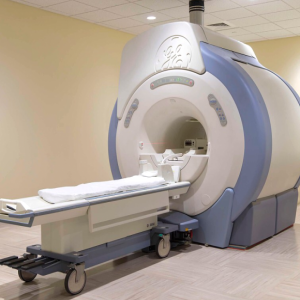
MRI scanners
CT scanners
Ultrasound machines
Digital X-ray systems
Laboratory analyzers
Cardiac monitoring equipment
Well-maintained and up-to-date equipment improves diagnostic accuracy and treatment effectiveness. Healthcare facility evaluations often include assessments of medical technology and infrastructure.
Convenience should not be the only factor in your decision, but it still matters.
Healthcare experts recommend considering location, accessibility, and appointment availability when selecting healthcare providers.
How far is the facility from your home or workplace?
Is transportation readily available?
Is parking available?
Are emergency services accessible?
In urgent situations, proximity can make a significant difference.
A trusted healthcare provider should offer reasonable access to care.
Consider factors such as:
Appointment availability
Waiting times
Weekend services
Evening appointments
Emergency support
Telemedicine options
Many patients now prefer providers that offer flexible scheduling and virtual consultations when appropriate.
Before booking an appointment, find out:
Are new patients accepted?
How long is the average wait time?
Are urgent appointments available?
Is online booking available?
These practical considerations can significantly affect your healthcare experience.
Technical expertise is important, but communication matters too.
A trusted healthcare provider should:
Listen carefully
Answer questions clearly
Explain diagnoses thoroughly
Respect patient concerns
Encourage informed decision-making
Healthcare organizations consistently highlight communication and trust as essential components of quality care.
You should feel:
Heard
Respected
Comfortable asking questions
Involved in healthcare decisions
A strong doctor-patient relationship contributes to better health outcomes and patient satisfaction.
If you require treatment for a specific condition, look for providers with relevant expertise.
For heart conditions:
Seek experienced cardiologists
For orthopedic problems:
Choose providers specializing in bone and joint disorders
For neurological conditions:
Look for neurologists with expertise in your specific diagnosis
Facilities that regularly manage conditions similar to yours often provide better outcomes and more efficient treatment pathways.
Cleanliness is a critical indicator of healthcare quality.
When visiting a healthcare facility, observe:
Reception areas
Waiting rooms
Examination rooms
Restrooms
General hygiene practices
Be cautious if you notice:
Poor sanitation
Disorganized environments
Inadequate infection control practices
Unprofessional staff behavior
Patient safety should always be a top priority.
Healthcare affordability matters, but the cheapest option is not always the best.
When evaluating providers:
Request clear pricing information
Understand consultation fees
Ask about diagnostic costs
Review payment options
Transparency in pricing often reflects professionalism and ethical business practices.
What services are included?
Are there additional fees?
Is insurance accepted?
Are payment plans available?
Knowing costs upfront helps prevent unexpected expenses later.
Not every healthcare provider operates at the same standard.
Unclear qualifications
Lack of licensing information
Poor communication
Excessive pressure for unnecessary procedures
Consistently negative reviews
Unsanitary conditions
Limited transparency about pricing
Trust your instincts if something feels wrong.
Healthcare providers should earn your confidence through professionalism, competence, and transparency.
Telemedicine has become increasingly popular in recent years.
Virtual healthcare services can be particularly helpful for:
Follow-up consultations
Minor illnesses
Prescription renewals
Mental health support
Chronic disease management
Many reputable healthcare providers now offer both in-person and virtual care options, improving convenience and accessibility.
Finding trusted medical services is not just about solving today's health problem.
The best healthcare relationships develop over time.
A trusted provider becomes familiar with:
Your medical history
Family health background
Personal health goals
Long-term treatment plans
This continuity of care often leads to better outcomes and more personalized healthcare.
Finding trusted medical services near you requires more than a quick internet search. It involves careful research, credential verification, facility evaluation, and consideration of your unique healthcare needs.
By seeking recommendations, checking qualifications, reviewing accreditation, assessing communication quality, evaluating equipment and facilities, and considering accessibility, you can make informed healthcare decisions with confidence.
Remember that the best medical service is not necessarily the closest, cheapest, or most advertised. It is the provider that consistently delivers safe, reliable, patient-centered care while earning your trust through professionalism, expertise, and compassion.
Your health is one of your most valuable assets. Taking the time to choose the right healthcare provider today can have a lasting impact on your well-being for years to come.
Subscribe to our newsletter and don’t miss anything